Understanding Fly Fishing Apparel
What is Fly Fishing Apparel?
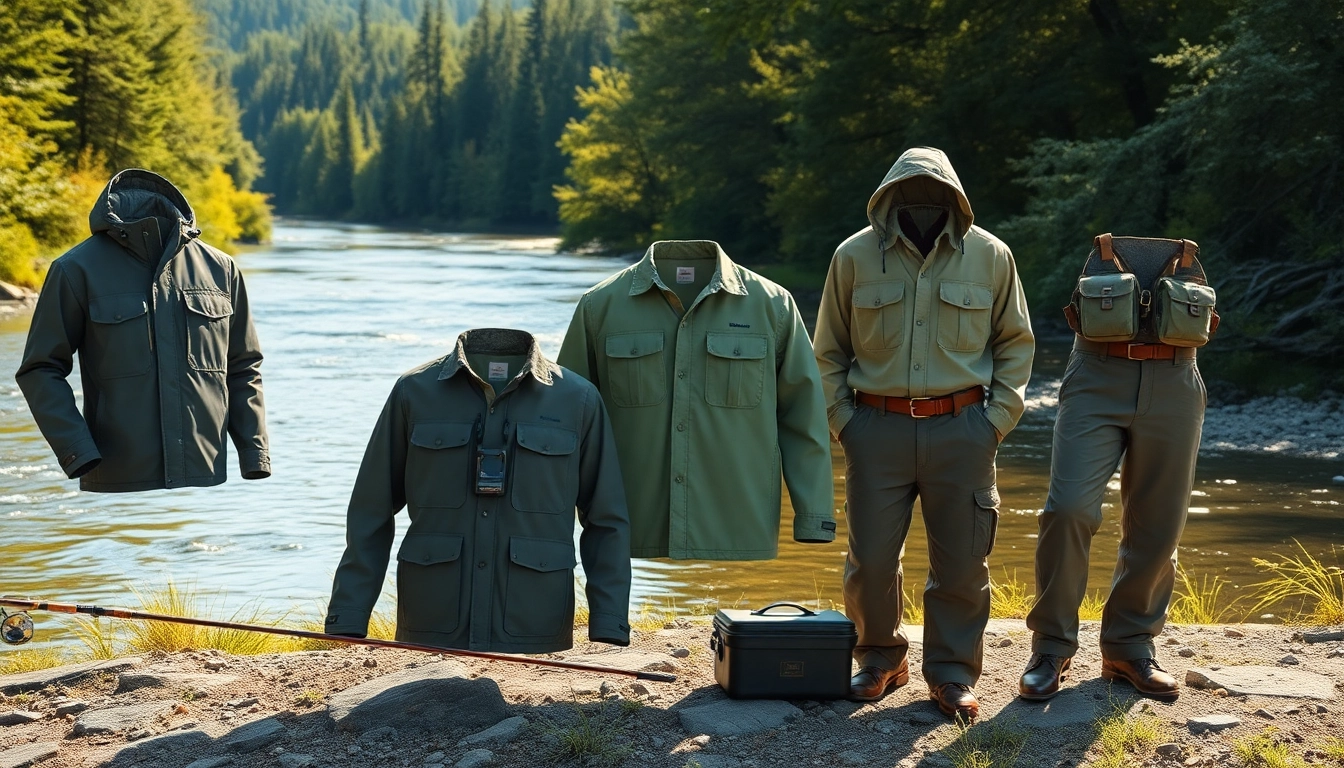
Fly fishing apparel is a specialized category of clothing designed to enhance the experience of anglers on the water. Unlike regular outdoor wear, fly fishing apparel incorporates specific features that support fishing activities while providing comfort and protection from the elements. Each piece of apparel serves a purpose, from maintaining warmth and dryness to facilitating ease of movement. Proper attire makes a significant difference in performance and overall enjoyment. Choosing the right fly fishing apparel can greatly impact your fishing success and comfort level during outings.
The Importance of Quality Materials
When it comes to fly fishing apparel, the materials used play a crucial role in its effectiveness and durability. High-quality fabrics such as nylon, polyester, and merino wool are common choices because they offer key benefits such as moisture-wicking, breathability, water resistance, and durability. These materials help anglers stay cool and dry, ensuring a more enjoyable experience. Moreover, using quality materials also contributes to the longevity of the apparel, making it a sound investment for regular anglers.
Key Features to Look For
Not all fishing clothes are created equal; hence, understanding the key features is vital for making an informed choice. Look for apparel with the following characteristics:
- Moisture-Wicking: Transfers sweat away from your skin to keep you dry.
- Quick-Drying: Dries rapidly after exposure to water, essential for staying comfortable.
- UV Protection: Offers shielding from harmful sun rays, safeguarding your skin during long fishing hours.
- Reflective Elements: Improves visibility for safety, especially in low light conditions.
Types of Fly Fishing Apparel
Outerwear: Jackets and Vests
Outerwear is a critical component of fly fishing apparel, as it protects against varying weather conditions. Jackets designed for fly fishing often come with features like waterproofing, breathability, and pockets strategically placed for easy access to fishing gear.
Vests are especially popular for both their functionality and comfort. They allow anglers to carry essential tools without the bulk of a backpack. Look for vests with a combination of pockets, adjustable straps, and breathable materials for optimal performance.
Layering: Base and Mid Layers
Layering is key to staying comfortable during a fishing trip, as temperatures can shift dramatically throughout the day. A solid layering strategy starts with a base layer that wicks moisture away from the skin. Synthetic or merino wool tops are excellent choices.
The mid-layer typically involves insulation. Fleece, down, or insulated synthetic fabrics work well here, providing warmth without bulk. A good layering system ensures that anglers can adapt to changing weather conditions easily.
Accessories: Hats and Gloves
Accessories are often overlooked but are vital for protection and comfort. A wide-brimmed hat not only provides shade but also protects your face from UV rays. Look for hats with moisture-wicking properties and breathability for added comfort.
Similarly, gloves specially designed for fly fishing aid in grip while protecting your hands from sun exposure and abrasions from fishing gear or fish skin. Waterproof gloves are particularly advantageous in wet conditions, enabling you to handle lines and fish comfortably.
How to Choose the Right Fly Fishing Apparel
Assessing Your Needs Based on Environment
Your choice of fly fishing apparel should primarily depend on the environment in which you will be fishing. Factors such as climate, water temperature, and expected weather conditions will influence your selection. For instance, a lightweight, breathable setup is ideal for warm, sunny days, while insulated and waterproof layers are essential for colder, unpredictable weather.
Fit and Comfort Considerations
A well-fitting outfit maximizes comfort and enhances mobility, both crucial for effective casting and landing fish. Always refer to sizing charts provided by manufacturers and consider trying items on if possible. Remember that layering can also influence fit; choose pieces that allow you to move freely without feeling restricted.
Budgeting for Quality Apparel
Quality fly fishing apparel can range significantly in price. While it may be tempting to opt for cheaper options, investing in higher-quality pieces will often save you money in the long run due to increased durability and performance. Prioritize spending on essential items and look for sales or bundled discounts if you’re working within a budget.
Care and Maintenance of Fly Fishing Apparel
Washing and Drying Techniques
Proper care and maintenance of your fly fishing apparel will extend its lifespan significantly. Always follow the manufacturer’s washing instructions, generally recommending cold water washing and air drying to avoid damaging the materials. Avoid fabric softeners, as they can compromise the moisture-wicking properties of synthetic fabrics.
Repairing Common Damage
Even the best fly fishing apparel can sustain wear and tear. Minor repairs such as patching small tears or replacing buttons can be done at home and save you from having to buy new items. For fabric damage, emergency repair kits can be invaluable for quick fixes on the water.
Storage Tips for Longevity
Store your fly fishing apparel in a cool, dry place to avoid mildew and damage. Consider using breathable garment bags to prevent dust accumulation. Ensure items are clean and completely dry before storing them to avoid any moisture-related issues.
FAQs About Fly Fishing Apparel
What materials are commonly used in fly fishing apparel?
Materials like nylon and polyester are common due to their durability, water-resistance, and moisture-wicking properties, enabling anglers to stay comfortable.
How should I layer my fly fishing clothing?
Layer with a moisture-wicking base layer, an insulating mid-layer, and a waterproof outer layer to ensure comfort and protection from the elements.
Can I use regular clothing for fly fishing?
Regular clothing may not provide the necessary water-resistance, breathability, or comfort required for an effective and enjoyable fly fishing experience.
How do I choose the right size for fly fishing apparel?
Consult sizing charts and read user reviews to ensure items fit appropriately and allow for the needed mobility during casting and landing fish.
What is the best way to care for fly fishing apparel?
Always follow care labels: wash in cold water, prefer air drying, and do not use fabric softeners to maintain the performance of the apparel.