Understanding Bed Bugs and Their Impact
What Are Bed Bugs?
Bed bugs are small, elusive insects that feed on human blood. Scientifically known as Cimex lectularius, they are typically reddish-brown and approximately 1/4 inch in size. Despite their name, they can be found in a variety of locations, not just beds. These pests thrive in warm environments, which is why they tend to infest areas close to where people sleep or rest. With rapid reproduction rates, a single female bed bug can lay hundreds of eggs in her lifetime, making them a challenge to eradicate.
Signs of Infestation
Identifying bed bugs can sometimes be difficult. Common signs include:
- Visible bed bugs or their eggs in seams of mattresses or bedding.
- Small, dark spots on sheets, which are usually bed bug excrement.
- Unexplained bites on the skin, often appearing in clusters or straight lines.
- Blood stains on bedding or upholstery.
Health Risks and Psychological Effects
Bed bug bites can cause various allergic reactions in some individuals, ranging from mild irritation to severe skin rashes. The psychological impact of an infestation can be significant, leading to anxiety, insomnia, and stress. The fear of encountering these pests can disrupt daily life and affect emotional well-being. Understanding these effects is crucial for those dealing with a bed bug problem.
Choosing the Right Bed Bug Chemical Treatment
Types of Chemicals Used
When selecting a chemical treatment for bed bug infestations, various options are available:
- Pyrroles: Chemicals like Chlorfenapyr disrupt vital cellular functions in bed bugs, effectively exterminating them.
- Pyrethrins and Pyrethroids: These are insecticides that attack the nervous system of bed bugs, ensuring strong lethality when applied correctly.
- Diatomaceous Earth: A natural alternative, this powder physically damages the bed bug’s exoskeleton, leading to dehydration and death.
- Biochemicals: Compounds like cold-pressed neem oil offer more environmentally friendly options.
Factors Affecting Treatment Effectiveness
Several factors can influence the success of bed bug chemical treatments, including:
- Infestation Level: Higher numbers require more intensive treatment regimens.
- Application Technique: Proper application methods and thorough coverage are essential for effectiveness.
- Resistance: Bed bugs can develop resistance to certain chemicals over time, making it necessary to rotate different products.
Safety Precautions
When using chemical treatments, safety should be a priority:
- Always follow label instructions for dosage and application methods.
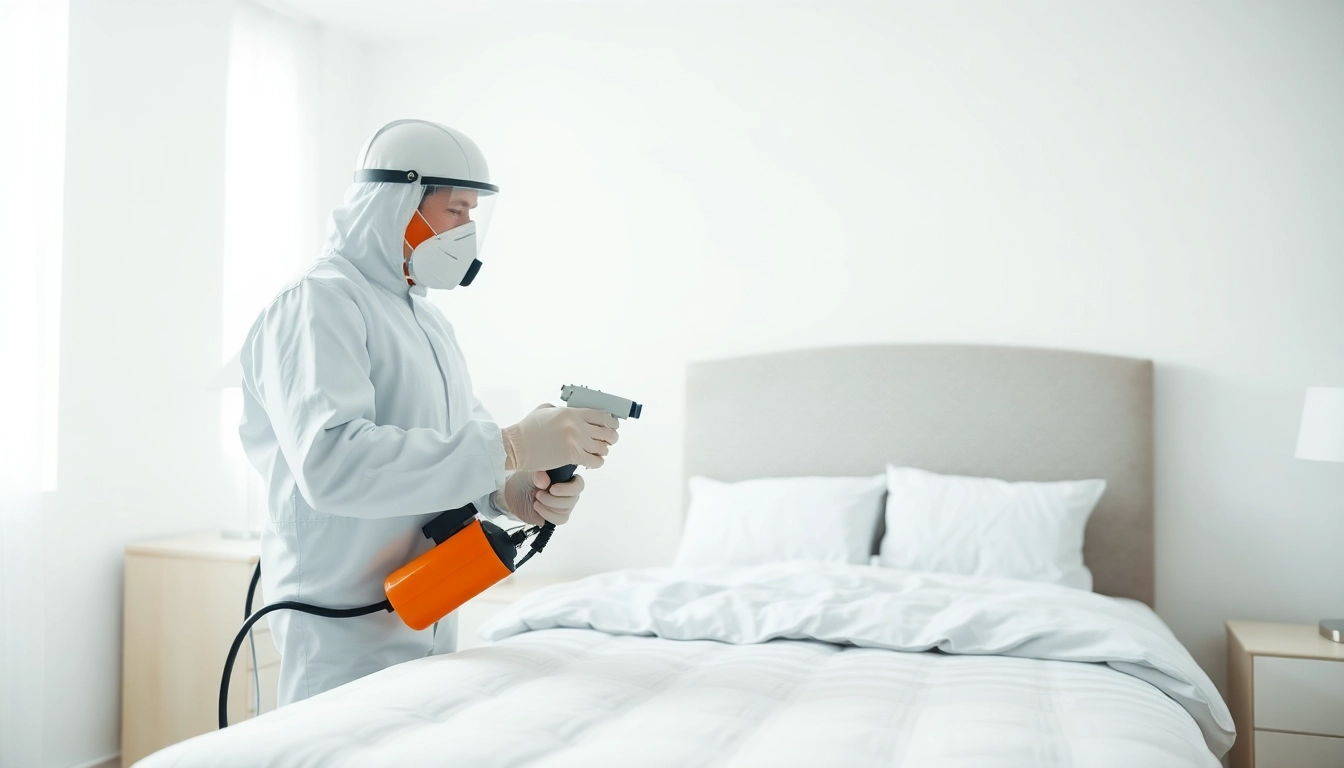
- Utilize personal protective equipment such as gloves and masks during application.
- Ensure proper ventilation in treated areas and allow adequate drying time before reoccupying.
Preparing Your Home for Treatment
Essential Pre-Treatment Steps
Preparing your home is crucial to maximize the effectiveness of chemical treatments:
- Remove clutter from the areas to be treated to eliminate hiding spots.
- Wash all bedding and clothing in hot water to kill any accessible bed bugs or eggs.
- Seal items that you cannot wash in plastic bags and keep them away from the treated areas.
- Vacuum thoroughly and dispose of the vacuum bag immediately to prevent re-infestation.
What to Expect During Treatment
During the application of chemical treatments, expect the following:
- Areas may be marked off as hazardous until treatment is complete.
- Fumigation or aerosol methods might be used, requiring evacuation from the affected area.
- Some treatments may leave residual chemical agents that will continue to kill bed bugs post-application.
Post-Treatment Considerations
After chemical treatments, it is important to:
- Continue monitoring for signs of bed bugs to ensure complete elimination.
- Follow up with additional treatments if required, as some products may necessitate multiple applications.
- Maintain cleanliness and minimize clutter to reduce the likelihood of future infestations.
DIY vs. Professional Chemical Treatment Options
Pros and Cons of DIY Approaches
DIY treatments can be appealing due to cost savings, but they also come with drawbacks:
- Pros:
- Lower initial financial investment compared to hiring professionals.
- Flexibility in scheduling and treatment frequency.
- Can find many over-the-counter products designed for easy use.
- Cons:
- May lack the effectiveness of professional methods.
- DIY approaches require extensive research and preparation.
- Risk of misapplication or use of ineffective products.
When to Hire a Professional
Consider hiring professional exterminators if:
- The infestation is widespread or deep-rooted.
- DIY attempts have been unsuccessful.
- Health concerns or allergies issue you need to address.
Cost Considerations
Costs for chemical treatments can vary widely based on several factors:
- The extent of the infestation and the required treatment type.
- Geographical location and local pest control rates.
- Choice between DIY products and professional services may influence overall expenses.
Evaluating the Success of Your Treatment
Signs That Bed Bugs Are Gone
After treatment, check for the following signs to gauge success:
- No further sightings of live bed bugs or bites.
- Fewer or no bloodstains left on sheets.
- Absence of bed bug excrement in most areas.
Follow-Up Actions
To ensure lasting results, follow these suggestions:
- Schedule a follow-up inspection with a pest control professional if needed.
- Continue to monitor sleeping areas periodically for any signs of reinfestation.
- Maintain cleanliness and take preventive measures regularly.
Long-Term Prevention Strategies
To prevent bed bugs from returning, adopt these strategies:
- Use mattress and box spring encasements to protect against infestations.
- Avoid bringing second-hand furniture or clothing into your home without thorough inspection.
- Frequently clean and vacuum areas where potential infestations can start.
Frequently Asked Questions
What chemical kills bed bugs permanently?
Pyrroles like Chlorfenapyr are known for their effectiveness. They work by disrupting essential processes in bed bugs, leading to certain death.
Can I sleep in my room after bed bug treatment?
Yes, but wait for the pesticide to dry completely. This can take a few hours. Ensure the area is well-ventilated before returning.
How many treatments are usually needed?
The average bed bug infestation typically requires 3 to 4 treatments to achieve complete control and ensure all life stages are eradicated.
Are DIY treatments effective for bed bugs?
DIY treatments can be effective for minor infestations but may not handle extensive issues. Professional treatments are often more reliable.
Is there a natural alternative to chemical treatments?
Yes, diatomaceous earth and essential oils like neem can be effective, but they generally require consistent application for optimal results.
For comprehensive assistance and expertise in addressing bed bug issues, consider exploring *(bed bug chemical treatment)* options tailored specifically to your needs.