
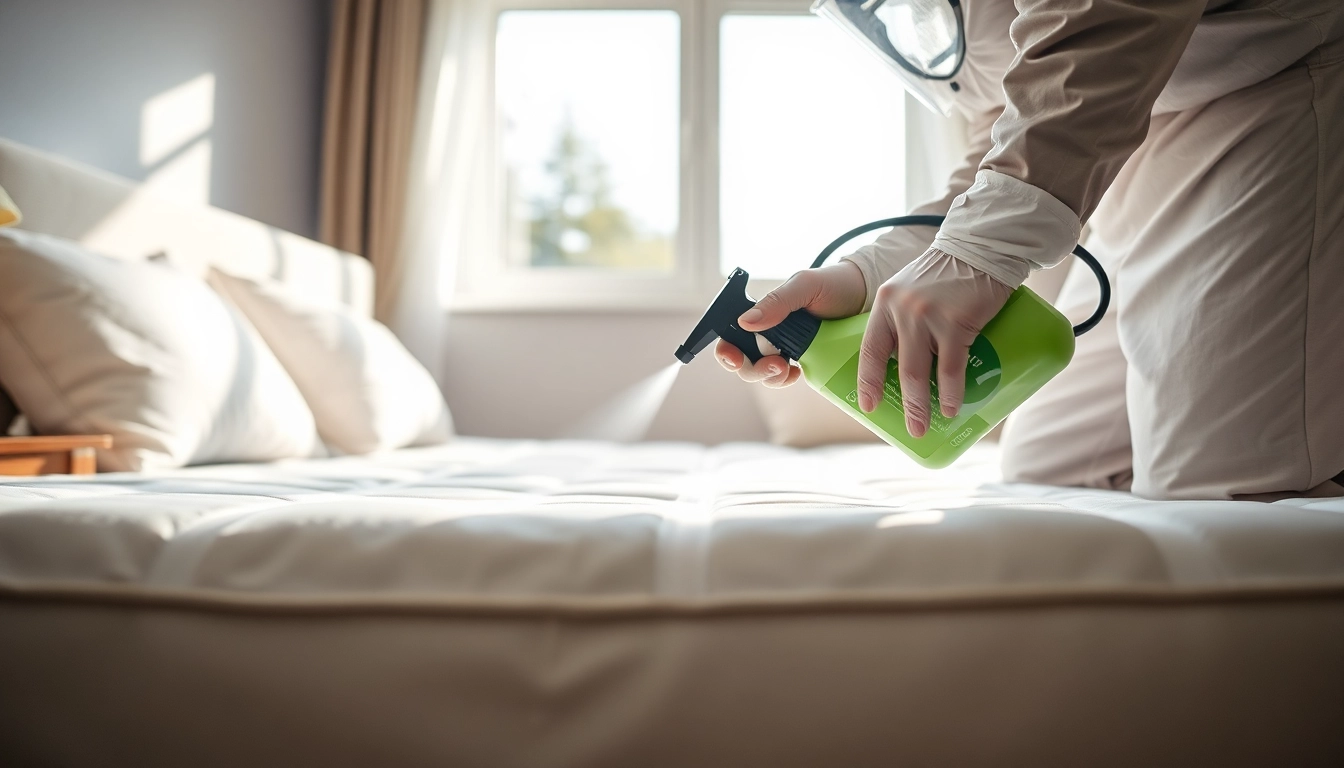
Understanding Bed Bug Chemical Treatment
Bed bugs are notorious pests that can disrupt your peace at home, making the need for effective eradication methods critical. Among these methods, bed bug chemical treatment stands out as a widely adopted solution. This article will delve into various aspects of bed bug chemical treatments, including their role, preparation, execution, and evaluation of effectiveness. By exploring these facets, you can make informed decisions on how to tackle a bed bug infestation.
What are Bed Bugs?
Bed bugs (Cimex lectularius) are small, reddish-brown insects that are primarily nocturnal and feed on the blood of humans and animals. Often hiding in cracks, crevices, and under mattresses, they can be challenging to detect until an infestation has escalated. The presence of bed bugs often manifests through bite marks on the skin, which can cause a range of allergic reactions in some individuals.
These pests are notorious for their ability to reproduce quickly; a single female bed bug can lay around 200 to 500 eggs over her lifetime. Consequently, a small infestation can escalate rapidly, making it essential to address a bed bug problem as soon as it is suspected.
The Role of Chemical Treatments in Eradication
Chemical treatments play a significant role in the extermination of bed bugs. They are designed to target these pests at various life stages, including eggs, nymphs, and adults. Chemical treatments include insecticides that disrupt the nervous system, inhibit growth, or cause dehydration in bed bugs.
While chemical treatments can be highly effective, they should ideally be part of a broader integrated pest management (IPM) approach. This may include non-chemical measures such as vacuuming, laundering bedding and clothing, and using encasements on mattresses and box springs. Effective chemical treatments often require professional application due to the intricate knowledge of safe usage and target areas.
Common Chemicals Used in Treatment
Various chemicals are utilized in the treatment of bed bugs, each with distinct modes of action. Some of the most commonly used chemicals include:
- Pyrethroids: These synthetic versions of natural pyrethrins are widely employed due to their effectiveness against numerous insects. Examples include permethrin and deltamethrin.
- Neonicotinoids: These chemically similar compounds affect the insect’s nervous system and are often used in conjunction with other treatments.
- Chlorfenapyr: This is a pro-insecticide that needs metabolic activation within the insect to become lethal.
- Desiccants: Products containing diatomaceous earth or silica gel dehydrate bed bugs, targeting their ability to retain moisture.
- Biochemicals: Cold-pressed neem oil is a registered option that disrupts the life cycle of bed bugs without causing significant harm to non-target species.
Preparing for Chemical Treatment
Before applying chemical treatments, proper preparation is essential to ensure effectiveness and safety. This involves several critical steps.
Steps to Take Before Treatment
Preparation begins with identifying infested areas and assessing the severity of the problem. Here are some steps to follow:
- Inspection: Conduct a thorough examination of your living space to locate bed bug hiding spots.
- Laundering: Wash all infested bedding, clothing, and linens in hot water to kill bed bugs.
- Decluttering: Remove unnecessary items from infested areas to limit hiding spots and facilitate treatment.
- Vacuuming: Vacuum furniture, floors, and baseboards to remove visible bed bugs and eggs.
- Seal cracks and crevices: Caulk any openings where bed bugs could hide or enter your home.
Safety Precautions for Residents
Safety should be a priority when implementing chemical treatments. Here are key precautions to consider:
- Follow all product instructions carefully to minimize health risks.
- Ensure proper ventilation in treated areas during and after application.
- Keep pets and children away from treated areas until it is safe to return.
- Consider using protective gear such as gloves and masks when applying chemicals.
Preparing Your Living Space
Preparation of your living space involves minimizing potential exposure to chemicals and enhancing the efficacy of treatments:
- Remove all items from floors, including furniture, and place them outside if possible.
- Secure food items in sealed containers to prevent contamination.
- Turn off fans or air conditioning to limit chemical dispersion.
- Inform all household members and neighbors about the impending treatment to ensure awareness.
Executing the Treatment Process
Once your preparation is complete, it’s time to execute the treatment process effectively. This involves several key techniques and post-treatment steps.
Application Techniques for Bed Bug Chemical Treatment
Correct application of chemicals is crucial for success. Here are some recommended techniques:
- Targeted Spraying: Apply chemicals directly to areas where bed bugs are likely to hide, such as along baseboards, in cracks, and around furniture edges.
- Fogging: Aerial fogging can cover large areas, but should be conducted with caution to avoid health risks.
- Dusting: Use a dust applicator to deliver desiccants or dust insecticides in wall voids or up into corners.
- Heat Treatment: An adjunct to chemical treatment, using heat can kill all life stages of bed bugs when applied correctly.
Post-Treatment Procedures
After the chemical application, take post-treatment measures to ensure lasting effects:
- Avoid cleaning or vacuuming treated areas for at least two weeks to allow chemicals to work.
- Monitor treated areas for signs of bed bug activity, which can include live bugs, shed skins, and fecal stains.
- Consider using interception devices to catch any bed bugs that may remain.
Common Mistakes to Avoid During Treatment
To maximize the effectiveness of your treatment, be wary of these common missteps:
- Not following the instructions on the label or using multiple products incorrectly.
- Neglecting to address clutter and potential hiding spots.
- Failing to conduct follow-up inspections and treatments when necessary.
- Assuming one treatment will suffice and not scheduling follow-up applications.
Evaluating Treatment Effectiveness
Once treatment has been executed, evaluating its success is essential to determining its effectiveness and planning future actions.
Signs of Successful Bed Bug Chemical Treatment
Look for these indicators that treatment has been successful:
- Decreased sightings of live bed bugs over time.
- A reduction in bite marks and allergic reactions among residents.
- Absence of fresh bug excrement or shed skins.
- Verified reports from monitoring traps.
When to Schedule Follow-Up Treatments
Follow-up treatments are a critical component of the process. Consider scheduling follow-up treatments:
- Within two weeks if bed bug activity persists or returns.
- Consistently every 4 to 6 weeks until eradication is confirmed.
- After any lapses in treatment or if visible signs of reinfestation occur.
Measuring Chemical Efficacy Over Time
Assessing the efficacy of chemical treatments over time involves monitoring and recording:
- Counts of bed bugs before and after treatment.
- Changes in the behavior of inhabitants, particularly around sleep patterns.
- Regular evaluations of hiding places and vulnerable areas.
Frequently Asked Questions About Bed Bug Chemical Treatment
Are chemical treatments safe for pets?
Yes, but it’s important to keep pets away during treatment. Follow instructions for safety and allow sufficient airing out before allowing pets back into treated areas.
How long does a chemical treatment take to work?
Some chemical treatments start to work immediately, while others may take a few days to show effects. Full eradication may require multiple applications over weeks.
Can problems return after treatment?
Yes, if not all bed bugs are eliminated or if new ones are introduced. Regular monitoring and follow-up treatments are crucial for long-term control.
What should I do after the treatment?
Avoid cleaning treated areas for at least two weeks, monitor for renewed activity, and follow any additional guidelines provided by the exterminator.
How often should I repeat chemical treatments?
Follow-up treatments are typically recommended every 4 to 6 weeks, based on expert advice and the severity of the infestation. Regular monitoring is essential.