Understanding Pet Odor Issues
The Causes of Pet Odor in Carpets
Pet odor is a common problem faced by many pet owners, primarily due to urine, feces, and vomit. When these substances contact carpet fibers, they can penetrate deep into the material, making them difficult to eliminate completely. Moreover, proteins found in pet urine can lead to strong ammonia smells, which can linger even after cleaning attempts. Understanding these causes is the first step towards effective pet odor carpet cleaning.
Identifying Problem Areas
Actively identifying problem areas is critical in addressing pet odors. Look for discoloration, staining, or sticky patches on your carpets, especially in high-traffic zones where your pets spend time. Using a black light can help highlight areas that have been marked, as urine stains will fluoresce under UV light, making it easier for you to locate and treat them.
Assessing Odor Severity
Not all odors are created equal. Assessing the severity of the odor can help determine the cleaning method required. Conduct a sniff test to gauge intensity; if the scent is faint, a basic cleaning might suffice, but powerful smells may indicate that deeper cleaning techniques are needed. This assessment will guide your approach and help establish a cleaning schedule.
Pre-Cleaning Preparations
Gathering Necessary Supplies
Before diving into the cleaning process, gather all necessary supplies. Essential items include:
- Vacuum cleaner with a strong suction
- Enzymatic cleaner specifically designed for pet odors
- White vinegar and baking soda (for homemade solutions)
- Lint roller or pet hair brush
- Soft cloths or towels for blotting
- Bucket and spray bottle for mixing solutions
Having these materials handy will streamline your cleaning process and ensure you’re prepared for any unexpected challenges.
Vacuuming Techniques for Pet Hair
Vacuuming is a vital step in preparing your carpet for cleaning. Use a vacuum equipped with a HEPA filter to capture pet hair and dander effectively. Make slow, deliberate passes over the affected areas and consider using a lint roller on stubborn hair. This pre-cleaning will enhance the effectiveness of your odor removal efforts, as it reduces the amount of debris you have to contend with during the cleaning process.
Pre-Treatment for Stains and Odors
After vacuuming, pre-treating stains is essential. Apply an enzymatic cleaner directly onto the stain and allow it to sit as per the product instructions. Enzymatic cleaners work by breaking down the proteins in pet waste, neutralizing the odor at the source. For general odor treatment, consider a mixture of white vinegar and water (in a 1:1 ratio) to spray onto stinky areas, allowing it to dry naturally to help absorb and neutralize smells.
Choosing the Right Cleaning Method
Steam Cleaning vs. Dry Cleaning
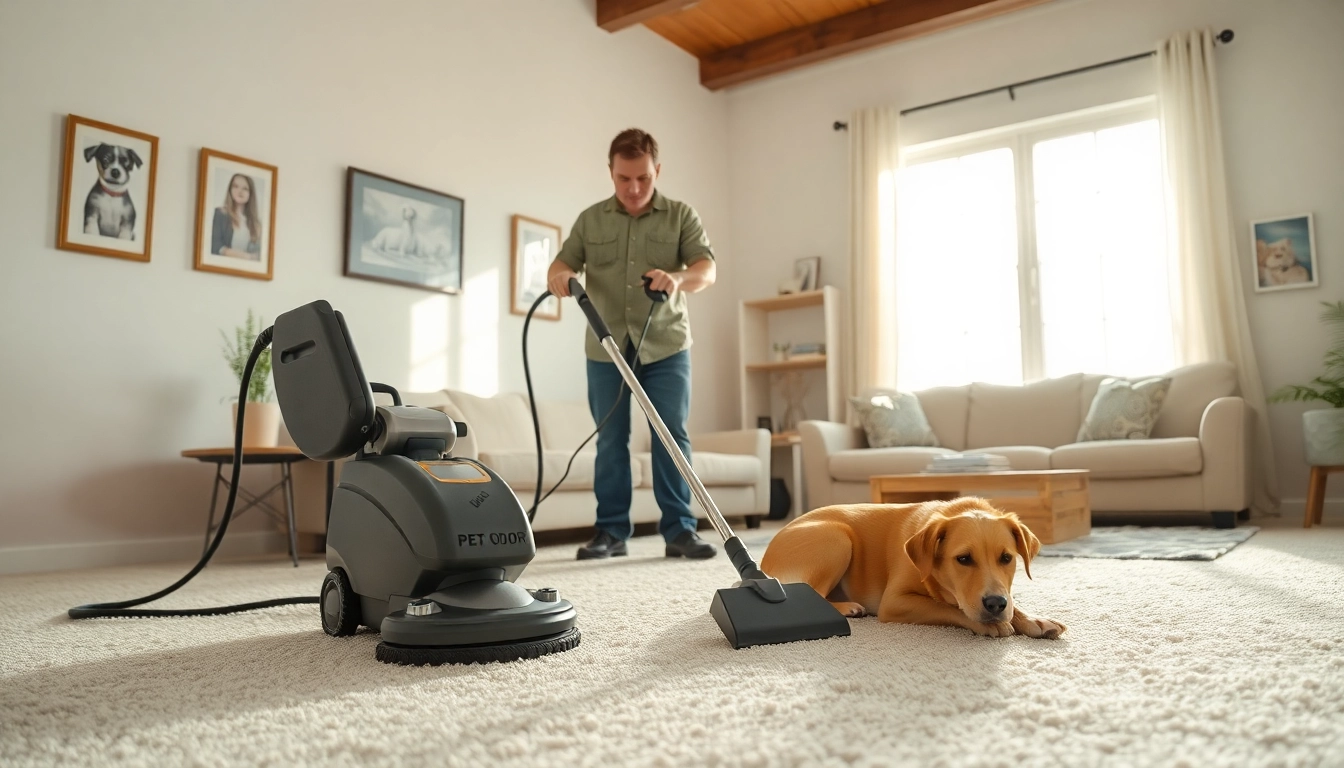
When it comes to carpet cleaning methods, steam cleaning and dry cleaning offer different benefits. Steam cleaning uses hot water extraction to deep clean carpets, effectively removing odors embedded within the fibers. However, drying time can be lengthy. Dry cleaning, on the other hand, utilizes chemicals that lift dirt and odor without needing extensive drying time. Depending on the severity of pet odors, you may need to choose one method over the other or even consider combining both for maximum effectiveness.
Homemade Solutions for Pet Odors
Many pet owners turn to homemade solutions for an economical and eco-friendly approach to odor elimination. A common recipe includes a mixture of baking soda and hydrogen peroxide for spot treatment. Baking soda absorbs odors while hydrogen peroxide cleans and deodorizes stains. Always test any homemade solution on an inconspicuous area first to ensure it won’t cause discoloration.
Professional Carpet Cleaning Options
If the odor persists despite your cleaning attempts, it may be time to call in professionals. They have access to industrial-grade cleansers and equipment that can tackle stubborn odors deeply embedded into carpet fibers. Assess their expertise with pet stains and inquire about their cleaning methods to ensure they are pet-safe and effective.
Implementing Cleaning Techniques
Step-by-Step Guide to Pet Odor Carpet Cleaning
To effectively clean your carpets and eliminate pet odors, follow this step-by-step guide:
- Prepare Your Space: Remove furniture and items from the carpeted area. Vacuum thoroughly.
- Treat Stains: Apply your enzymatic cleaner or homemade solution to any visible stains.
- Choose Your Cleaning Method: Opt for either steam or dry cleaning based on severity.
- Clean the Carpet: Follow your chosen method’s instructions closely for optimal results.
- Dry the Carpet: Allow the carpet to dry fully. Use fans or open windows to expedite drying.
- Inspect the Area: After drying, smell the area to evaluate effectiveness. Treat again if necessary.
Special Considerations for Different Carpet Types
Different carpet materials respond uniquely to various cleaning methods. For example, wool carpets are sensitive to heat; hence, steam cleaning should be avoided. Synthetic fibers are typically more durable and can withstand harsher cleaning agents. Knowing your carpet type can help customize your cleaning approach, contributing to effective odor removal without damaging your carpets.
Safety Tips for Pet Owners
Cleaning solutions can pose risks to pets. Always use pet-friendly cleaning products and ventilate your cleaning space well. Avoid harsh chemicals, particularly those containing bleach or ammonia, that can potentially harm pets. During the cleaning process, keep your pets in a separate area to allow for safe air circulation and prevent any accidental ingestion or contamination during the cleaning.
Post-Cleaning Care and Maintenance
Evaluating Cleaning Effectiveness
Once you've completed your cleaning, it’s important to evaluate its effectiveness. Perform a smell test and visually inspect the carpet for any remaining stains. If odors are still present, you may need to repeat the cleaning process or consider using a different cleaning solution. Keeping a checklist of your before-and-after results can help you assess your successes and challenges for future cleanings.
Tips for Preventing Future Odor Problems
Preventing future odors requires diligence. Regular vacuuming (at least once a week) helps manage hair and dander. Also, immediately clean any accidents to prevent staining and odor buildup. Designate specific areas for your pets to reduce the chances of unwanted odors spreading throughout your home. Moreover, consider using washable pet bedding to aid in managing pet smells more quickly.
When to Schedule Professional Cleaning
Consider scheduling professional cleanings at least once a year, especially if you have multiple pets or if they frequently experience accidents. For particularly severe odors, professional cleaning every 6 months may also be beneficial. Regular intervals can keep your carpets fresh, clean, and free from unpleasant smells.
Frequently Asked Questions
How Often Should I Clean Carpets with Pets?
It’s recommended to deep clean carpets every 6 to 12 months, depending on pet activity.
Can I Use Vinegar for Pet Odor Removal?
Yes, vinegar is effective for neutralizing odors but test on a small area first.
Is Carpet Cleaning Safe for Pets?
Most pet-friendly cleaning solutions are safe, but ventilate the area and supervise your pets.
How Can I Prevent Future Pet Odors?
Regular vacuuming and immediate stain treatment can help reduce future odors effectively.
What if My Carpet Still Smells After Cleaning?
If odors persist, consider a professional cleaning service to address deeper issues.