Understanding Fly Fishing Accessories
Fly fishing is a sport steeped in tradition and art, requiring not just skill and patience but also the right gear. The significance of selecting quality fly fishing accessories cannot be overstated, as they can greatly influence your overall fishing experience. From enhancing your casting abilities to ensuring comfort during long hours on the water, the right accessories can make all the difference. Whether you're a novice or an experienced angler, understanding the various types of fly fishing accessories available will help you make informed decisions tailored to your personal fishing style and needs.
The Importance of Quality Gear
Quality gear is paramount in fly fishing for several reasons. Superior materials, craftsmanship, and design can drastically affect performance and durability. With fly fishing, you're often faced with harsh conditions such as extreme weather, rocky terrains, and water exposure. Therefore, investing in high-quality accessories can lead to a more satisfactory and successful fishing experience.
Moreover, premium gear often comes with enhanced functionality. For example, well-made waders prevent water from seeping in while allowing breathability, thereby ensuring you stay comfortable as you await the perfect catch. Additionally, advanced tackle items may improve your casting distance and accuracy, crucial for enticing elusive fish species.
Essential Tools for Beginners
If you're new to fly fishing, the sheer variety of available accessories might seem overwhelming. Start with a few basic tools that form the foundation of your fishing kit:
- Fly Rod: A suitable fly rod is crucial. For beginners, a versatile 9-foot, 5-weight rod can handle various fishing conditions.
- Reel: Ensure you choose a reel that matches your rod weight and accommodates the specific type of fishing you intend to do.
- Line: Floating line is ideal for beginners, providing the best control and ease of use.
- Flies: Start with several dry and wet flies that can attract different fish species depending on the time of year.
- Leader and Tippet: These parts help connect your line to the fly without being easily visible to fish.
Along with these essentials, consider a good pair of polarized sunglasses. They help you see below the water's surface, allowing you to spot fish more effectively.
Popular Fly Fishing Brands
The fly fishing industry is filled with reputable brands known for their quality and innovation. Some of the most trusted brands include:
- Orvis: Renowned for their high-quality rods, waders, and accessories that are backed by years of expertise.
- Simms: A leading name in fishing apparel, their waders and jackets are among the best in the market.
- Hatch: Known for their top-tier fly reels designed with precision and durability.
- Scientific Anglers: Offers a comprehensive range of lines and leaders designed for different fishing conditions.
- RIO Products: Creators of specialized lines and tippets that make the casting process smoother and more efficient.
Frequently Used Fly Fishing Accessories
Different Types of Fishing Flies
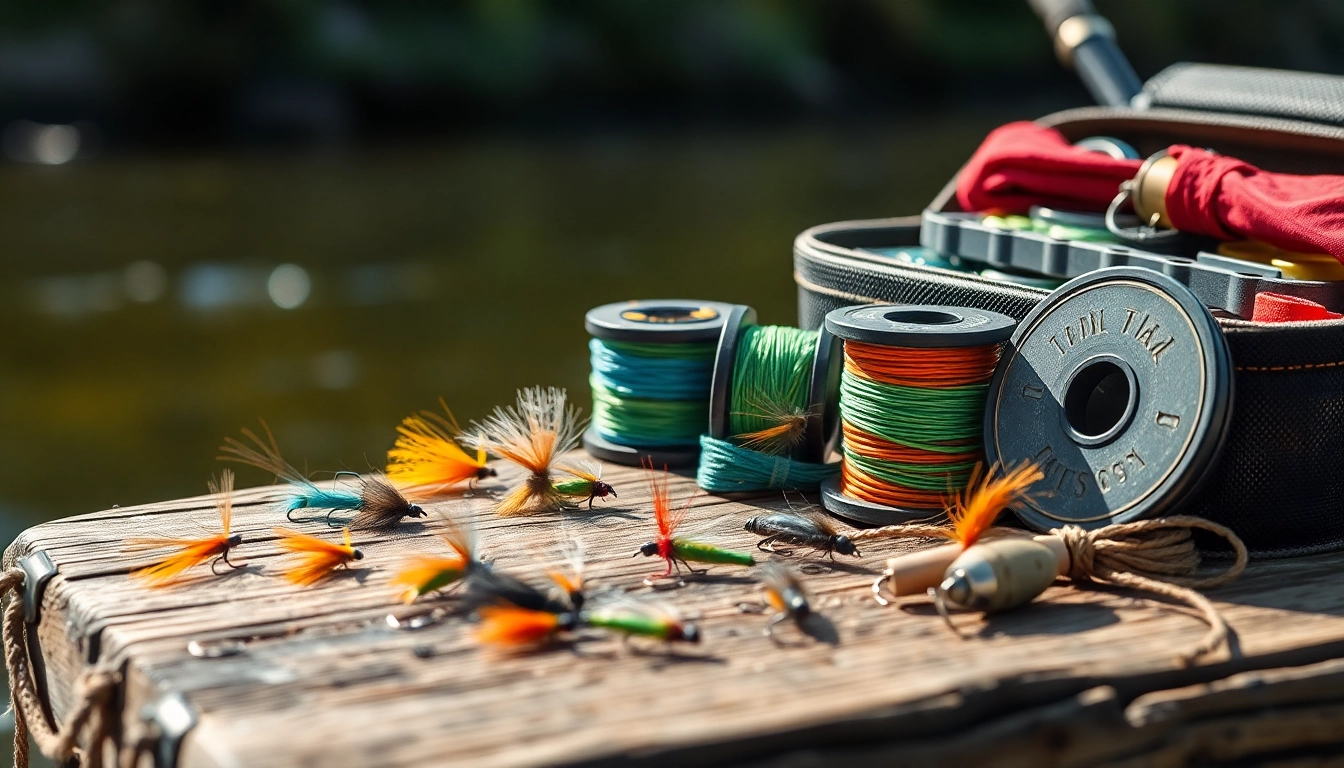
Fishing flies come in numerous forms, each designed to mimic various insects or other prey that fish might pursue. Understanding these can help you select the right type for your fishing trips. Here are some popular types:
- Dry Flies: These float on the water's surface and imitate insects like mayflies and caddisflies.
- Wet Flies: Sunk flies that imitate dying or submerged insects.
- Nymphs: These are designed to mimic the larval stage of aquatic insects and are often fished below the surface.
- Streamers: These larger flies mimic baitfish and are especially effective for larger species like trout and bass.
- Terrestrials: Flies that mimic land-based insects like grasshoppers or ants.
Choosing the right fly depends greatly on the time of season and the specific water conditions you're fishing in.
Essential Tackle Items
In addition to flies, various tackle items are essential for effective fly fishing. Some must-have items include:
- Fly Boxes: A well-organized fly box helps you find the right fly quickly.
- Strike Indicators: Useful for determining when a fish is biting when using nymphs.
- Forceps: Essential for dehooking fish safely.
- Line Nippers: To cut your line efficiently, it’s advisable to have a sharp nipper handy.
- Net: A good landing net minimizes harm to the fish when catching.
Safety and Utility Accessories
Safety should never be overlooked while engaging in fly fishing. Consider including the following accessories in your gear:
- Personal Flotation Device (PFD): A must-have when fishing from a boat or kayak.
- First Aid Kit: For minor injuries and emergencies that might arise.
- Sun Protection: Sunscreen, hats, and protective clothing help guard against UV rays.
- Waterproof Dry Bags: Keep your clothing and gear dry, especially on rainy days.
Utility gear like a multi-tool can simplify tasks, while a quality headlamp or flashlight increases safety when fishing during dawn or dusk.
Choosing the Right Fly Fishing Accessories
Tips for Selecting Gear
When selecting fly fishing accessories, pay attention to the quality, functionality, and compatibility with your existing gear. Here are some tips:
- Research: Familiarize yourself with different products and read reviews from fellow anglers.
- Seek Expert Advice: Don’t hesitate to consult the staff at your local tackle shop or experienced fishermen in your community.
- Consider Your Fishing Environment: The type of water (freshwater vs. saltwater), and the specific fish you target will influence the accessories you'll need.
- Test Gear Before Purchase: If possible, try out rods, reels, and other equipment to ensure comfort and usability.
Matching Accessories to Fishing Conditions
Different fishing conditions demand specific accessories. For instance, fishing in fast-flowing rivers will require a different approach compared to still water lakes. Consider these factors:
- Water Temperature and Clarity: Warmer water often calls for lighter-colored flies, while fish in colder water might respond better to darker variations.
- Season: Fly choices can vary considerably between spring, summer, fall, and winter due to the lifecycle stages of local aquatic insects.
- Weather Conditions: Wind and rain can influence what flies you should use and what gear you need to be effective.
Budget Considerations for Accessories
Budget plays a crucial role when it comes to selecting accessories. Here are some strategies to maximize your investment:
- Set Priorities: Identify which items are essential for your fishing style and focus on those first.
- Buy Quality Over Quantity: It’s better to invest in fewer quality items than to have numerous low-quality tools.
- Take Advantage of Sales: Look for discounts on seasonal sales or during off-peak times to purchase high-end accessories at lower prices.
- Consider Second-Hand Gear: Many people sell barely-used fishing gear at cheaper prices, making it an attractive option for budget-conscious anglers.
Maintenance of Fly Fishing Accessories
Cleaning and Storing Tips
The longevity of your fly fishing accessories greatly depends on how well you maintain them. Simple care routines can yield significant benefits:
- Clean After Use: Rinse your gear in fresh water to remove salt, dirt, and grime before storing it.
- Proper Drying: Ensure all equipment is dried thoroughly to prevent mold and corrosion.
- Store in Climate-Controlled Areas: Keeping your gear away from extreme temperatures and humidity will help maintain its integrity.
Regular Inspection Practices
Perform regular inspections of your gear to catch wear and tear early. Consider the following steps:
- Check Rods and Reels: Look for cracks, bends, or rust. Make necessary repairs or replacements promptly.
- Inspect Lines: Frayed or weak lines should be replaced to prevent losing a fish due to gear failure.
- Evaluate Waders and Clothing: Check for leaks and other signs of wear that could hinder performance.
Upgrading Your Gear Over Time
As your fly fishing skills grow, so too might your requirements for gear. Upgrading your equipment strategically can ensure you continually enhance your fishing experience:
- Stay Informed: Keep abreast of new technology and products that may enhance your fishing efficiency.
- Invest Gradually: Evaluate your experience level and fish type before investing in premium gear.
- Don’t Rush: Take your time to understand your evolving needs as an angler before making expensive purchases.
Where to Purchase Fly Fishing Accessories
Local Shops vs. Online Retailers
When it comes to purchasing fly fishing accessories, both local shops and online retailers offer unique advantages. Local shops provide the opportunity to see items firsthand, receive personalized advice, and sometimes try out gear before buying. Conversely, online retailers often have a larger selection and competitive pricing. Consider your personal preference and proximity to retailers to make an informed decision.
What to Look for in a Retailer
Regardless of the mode of purchase, choosing a reputable retailer is crucial. Look for:
- Customer Reviews: Positive feedback from previous customers can indicate a retailer’s reliability and service quality.
- Return Policy: A good return policy helps ensure you can exchange gear that doesn’t meet your needs.
- Expertise: Retailers with knowledgeable staff can provide valuable assistance in making selections.
Comparing Prices and Deals
It’s important to compare prices across various retailers. While some places target premium pricing, you may find significant discounts elsewhere. Research seasonal sales, clearance events, and online promotions to find the best deals. Additionally, joining angling clubs or online forums can provide leads on great sales and unique products from lesser-known but high-quality brands.