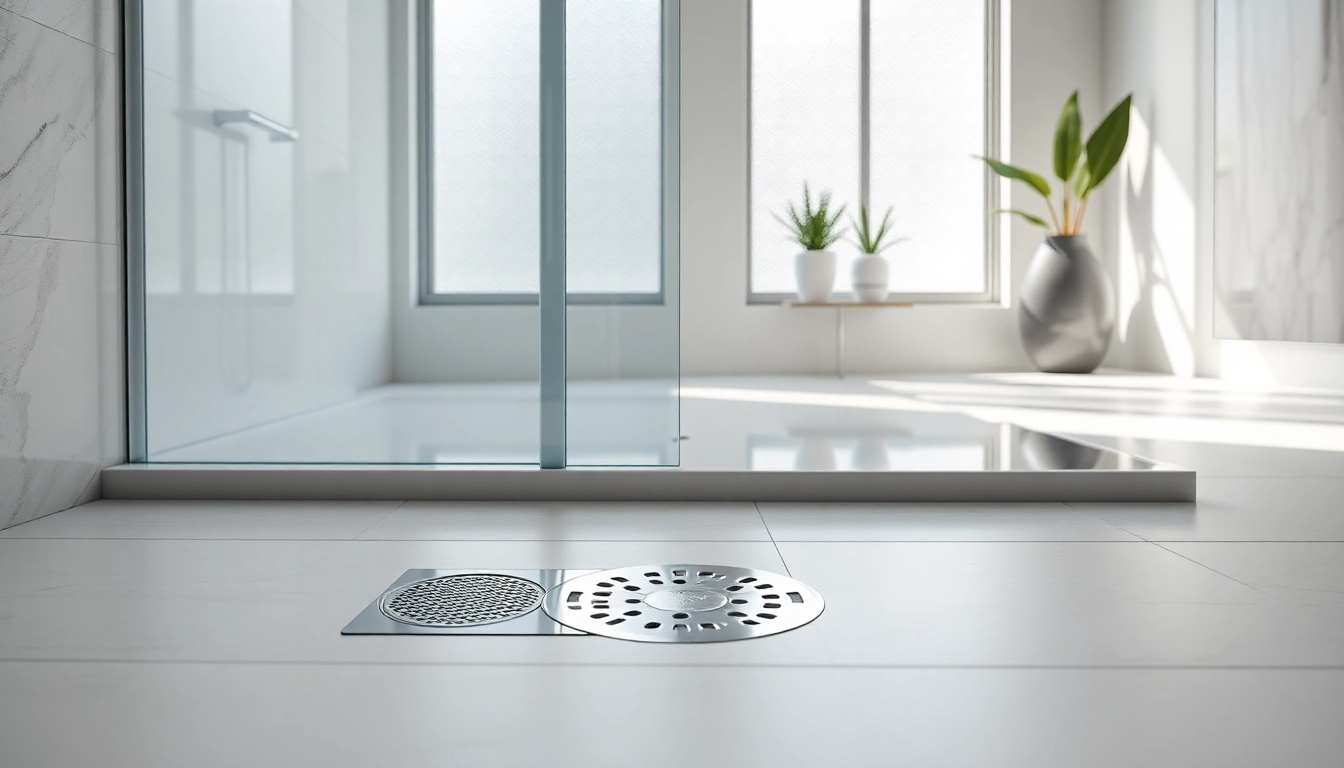
Introduction to Shower Base Options
When renovating or designing a bathroom, choosing the right fixtures can significantly impact both functionality and aesthetics. One of the critical components of any shower setup is the shower base. This foundational element not only supports the weight of shower occupants and fixtures but also contributes to the overall look of your bathroom. Understanding the different shower base options available can help you make the best choice for your space.
What is a Shower Base?
A shower base, often referred to as a shower pan or tub, is the bottom part of a shower installation. It is designed to contain the water that drains away during a shower. Made from various materials, a shower base provides a watertight and sturdy platform essential for shower functionality. It can vary in shape, size, and design, allowing for customization depending on your specific bathroom dimensions and aesthetic preferences.
Types of Shower Bases Available
There are numerous types of shower bases available to accommodate different design styles and bathroom layouts:
- Standard Shower Bases: Typically rectangular, these bases fit common shower enclosures and are usually made of acrylic or fiberglass.
- Corner Shower Bases: These bases are specifically designed for corner installations and save space in smaller bathrooms.
- Curbless Shower Bases: Also known as a zero-threshold shower, these bases eliminate the curb, providing a seamless transition from the bathroom floor to the shower area, which is ideal for accessibility.
- Custom Shower Bases: For those looking for a unique shape or size, custom-built bases can be tailored to fit any design requirement.
Benefits of Selecting the Right Shower Base
Choosing the right shower base can offer several benefits:
- Enhanced Functionality: A suitable base ensures proper drainage and prevents water leakage, which is crucial for avoiding water damage.
- Style Cohesion: The right design can enhance the aesthetic appeal of your bathroom, creating a more cohesive look.
- Improved Accessibility: Certain designs, especially curbless options, can make showers more accessible for everyone, including those with mobility issues.
- Increased Property Value: A well-chosen shower base can increase the resale value of your home by making your bathroom more attractive to potential buyers.
Considerations for Shower Base Selection
Budgeting for Your Shower Base
Budgeting is a crucial step when selecting a shower base. Prices can vary significantly based on materials, size, and design. Basic acrylic or fiberglass bases may start as low as $100, while high-end materials like custom stone can run into the thousands. Consider the total cost of installation, plumbing adjustments, and any additional materials needed for the project. Prioritizing your budget will help you narrow down your options and ensure that your selection is both practical and financially viable.
Space Requirements and Layout
Space is a critical factor when selecting a shower base. Measure your bathroom area carefully to determine how much space you have available. Consider the layout of existing fixtures and how they will work with the size and shape of the shower base. A well-planned layout not only optimizes space but also contributes to a better flow within the bathroom. Remember, the goal is to enhance both functionality and comfort.
Compatibility with Existing Bathroom Fixtures
When selecting a shower base, ensure that it is compatible with your existing plumbing and fixtures. Take note of drain placements and the height of the shower base to ensure proper alignment with existing plumbing. Choosing a base that fits seamlessly with your current setup can save time and money during installation.
Materials Used in Shower Bases
Popular Materials for Shower Base Construction
The material of your shower base significantly impacts durability, style, and maintenance. Common materials include:
- Acrylic: Lightweight and easy to install, acrylic shower bases are popular for their affordability and variety of styles.
- Fiberglass: Similar to acrylic, fiberglass is cost-effective and comes in various designs. However, it may require more maintenance over time.
- Tile: A tiled shower base allows for versatility in design but demands higher levels of maintenance due to grout lines.
- Stone: Natural stone bases offer elegance and durability. They can be custom-made to fit any space but are usually the most costly option.
Durability and Maintenance of Shower Bases
Different materials offer various levels of durability and maintenance requirements. Acrylic and fiberglass are generally easier to maintain, only needing regular cleaning to prevent mildew and soap scum buildup. Tiled and stone bases, while beautiful, can require more extensive care due to grout maintenance and the potential for cracking. Always consider the long-term upkeep when choosing a material.
Eco-Friendly Shower Base Options
For environmentally conscious homeowners, there are several eco-friendly shower base options available. Look for bases made from recycled materials or those designed for minimal water usage. Additionally, consider sustainable materials like bamboo or reclaimed wood, which not only look stunning but also minimize your ecological footprint.
Installing Your Shower Base
DIY vs. Professional Installation
Deciding between DIY installation and hiring professionals can depend on your skill level, budget, and time constraints. While DIY can save money, it demands a good understanding of plumbing and installation techniques. Conversely, professional installation guarantees that the shower base is set up correctly, minimizing the chance of future issues like leaks or improper drainage.
Step-by-Step Installation Guide
For those considering a DIY approach, here’s a basic outline of the installation process:
- Prepare the Area: Clear the installation area of debris and ensure the floor is level.
- Install Plumbing: Make sure plumbing is in place, including shower drainage.
- Set the Base: Position the shower base in place to test fit and mark drain positions.
- Secure the Base: Follow manufacturer instructions to secure the base, ensuring it’s level and stable.
- Finish with Tile or Wall Panels: Once the base is installed, complete the shower enclosures to suit your aesthetic needs.
Common Installation Mistakes to Avoid
Installing a shower base can be tricky, and several mistakes can lead to issues down the road. Common pitfalls include:
- Incorrect Drain Placement: Ensure the drain aligns perfectly; otherwise, it can lead to water pooling.
- Not Leveling the Base: A properly leveled base is critical for effective drainage.
- Skipping the Waterproof Barrier: Always install a waterproof barrier to prevent leaks and water damage.
Frequently Asked Questions about Shower Bases
How do I choose the right size for my shower base?
Measure your shower area accurately and consider the layout for optimal fit. Ensure that your selected shower base fits well within the designated space.
Can I install a shower base over an existing one?
No, it's not recommended; a proper base ensures proper drainage and support. Installing over an existing base may lead to leaks and issues.
What is the average cost of a shower base?
Costs vary widely, from $100 to $2000 depending on size, material, and brand. Consider your budget before making a decision.
How long does a shower base last?
A well-maintained shower base can last 20 years or more, depending on materials and care taken during use.
Are there eco-friendly options for shower bases?
Yes, many manufacturers offer sustainable materials like recycled acrylic and stone, appealing to eco-conscious homeowners.