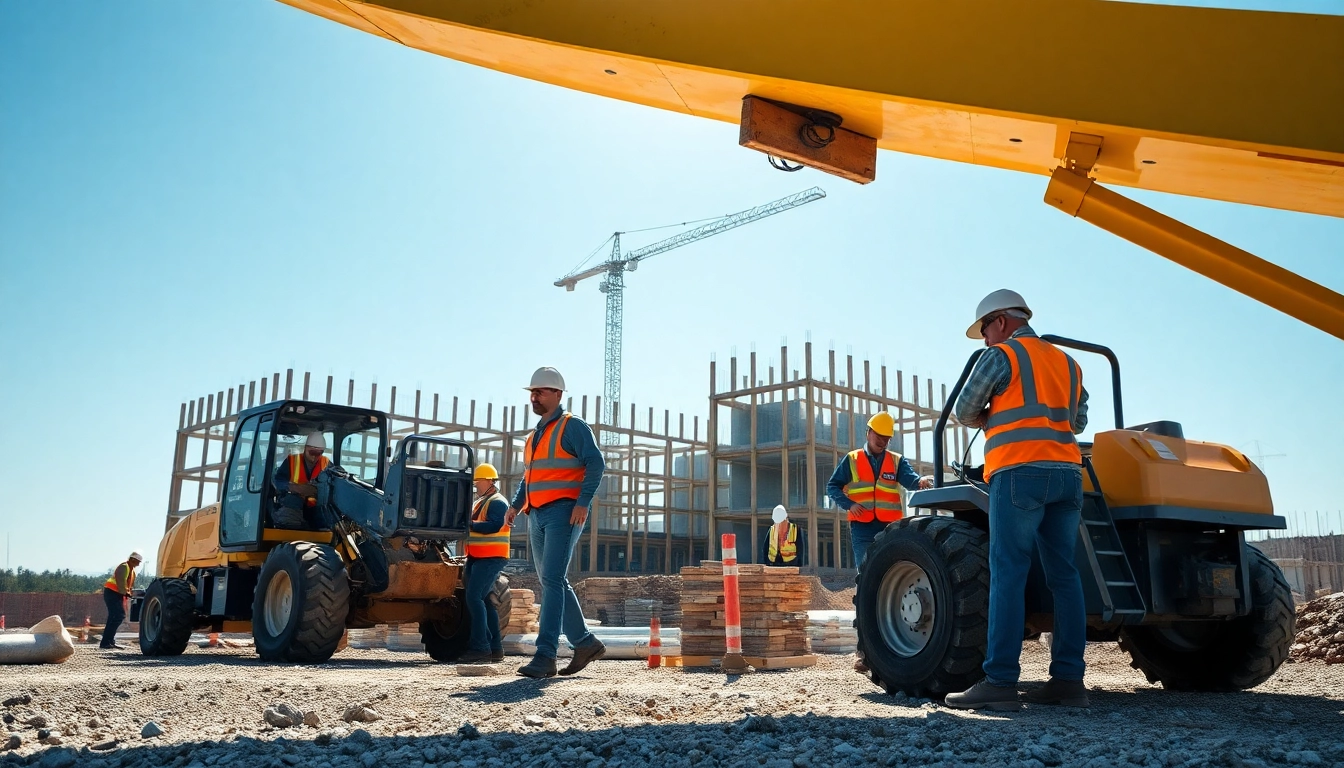

Understanding Construction Advocacy
Definition and Importance
Construction advocacy involves promoting policies that support and enhance the construction industry. This can encompass anything from regulatory frameworks to funding initiatives. Its importance cannot be overstated as it ensures that industry professionals have a platform to voice their needs, protect their interests, and influence legislation that impacts their work. By advocating effectively, stakeholders can help create a favorable environment that encourages growth, innovation, and safety in construction projects. This makes construction advocacy a critical element for not only current industry players but also for future generations entering the workforce.
The Role of Advocacy in Construction
Advocacy plays a crucial role in construction by providing a structured way to address the numerous challenges the industry faces. Advocates serve various functions: they inform lawmakers about the realities of construction work, promote best practices, and discourage legislation that could impose unnecessary constraints. Through advocacy efforts, industry professionals can unlock funding opportunities, improve labor conditions, and push for necessary regulatory changes that align better with the industry’s goals. This proactive approach to advocacy also ensures that the voices of diverse stakeholders, including contractors, labor unions, and suppliers, are represented in policy discussions.
Key Stakeholders in Construction Advocacy
The landscape of construction advocacy is populated by numerous stakeholders, each playing a unique role. Key stakeholders include:
- Contractors and Builders: Often the most affected by regulations, their insights can guide advocacy efforts.
- Labor Unions: Representing workers, unions advocate for fair wages and safe working conditions.
- Suppliers and Manufacturers: These stakeholders focus on policies that affect materials and equipment availability.
- Government Officials: Policymakers who create and influence legislation critical to the construction industry.
- Trade Associations: Groups like the Associated General Contractors play a pivotal role in unifying voices and resources.
Building Effective Advocacy Strategies
Identifying Target Audiences
A fundamental aspect of any advocacy strategy is to identify target audiences effectively. Different groups may have varying interests and levels of influence. For example, while government officials are significant in terms of policy-making, community members may also influence local projects. Conducting stakeholder analysis helps define whom to engage and how to tailor messages that resonate with each audience. This targeted approach ensures that the advocacy messages are relevant and impactful.
Crafting Compelling Messages
Successful advocacy hinges upon the ability to craft messages that are not only informative but also persuasive. This involves translating complex regulations and policies into digestible language that resonates with non-experts. Effective messages often include compelling storytelling, statistics, and real-life examples that reflect how specific policies can impact the audience. Utilizing visuals and infographics can also enhance message delivery, ensuring that the audience not only understands but is moved to action.
Utilizing Social Media and Online Platforms
In today’s digital age, leveraging social media and online platforms is crucial for modern construction advocacy. Platforms such as Twitter, LinkedIn, and Facebook provide powerful tools for disseminating messages widely and engaging with the public. Organizations can utilize hashtags, conduct webinars, or share informative posts to raise awareness around important issues. Building an online community around advocacy efforts also encourages dialogue, feedback, and brainstorming, significantly enhancing the collaborative nature of construction advocacy.
Measuring the Impact of Advocacy Efforts
Setting Clear Objectives
To gauge the success of advocacy efforts, setting clear and measurable objectives is paramount. This could involve specific targets like achieving a certain legislative outcome, raising awareness about an issue, or increasing member engagement rates. Objectives should be SMART: Specific, Measurable, Achievable, Relevant, and Time-bound. Clear objectives provide a roadmap to follow, making it easier to measure results and iterate strategies based on outcomes.
Tools for Tracking Advocacy Success
Various tools and software are available to track the effectiveness of advocacy campaigns. For instance, advocacy management platforms can help organizations measure engagement levels, analyze social media metrics, and survey target audiences about their perceptions. Monitoring tools can also track legislative changes and media coverage linked to advocacy efforts, providing a holistic view of success and areas for improvement.
Analyzing Data for Improved Strategies
Data analysis is critical for refining advocacy strategies. By assessing which messages resonate most, understanding audience behavior, and identifying successful channels of communication, advocates can adapt their approaches for greater effectiveness. Regularly reviewing this data allows organizations to pivot quickly if strategies are not working, ensuring that resources are deployed efficiently and effectively.
Challenges in Construction Advocacy
Common Obstacles Faced by Advocates
Despite its importance, construction advocacy faces significant challenges. Common obstacles include a lack of funding for advocacy initiatives, inadequate awareness among stakeholders about advocacy importance, and potential conflicts of interest between different groups. These hurdles can stall efforts to present a united front and dilute the overall impact of advocacy messages.
Addressing Misinformation and Resistance
Misinformation is a pervasive issue that can undermine advocacy efforts. It is crucial to identify and correct false narratives that could mislead stakeholders or the public. Effective communication strategies must include educating audiences and providing fact-based evidence to counter myths. Resistance from various groups may also arise, necessitating skillful negotiation and persuasion tactics to foster collaboration instead of discord.
Building Alliances Among Stakeholders
Collaboration among diverse stakeholders is essential for comprehensive advocacy efforts. Building alliances and fostering relationships can multiply the influence of individual voices. Networking events, joint campaigns, and coalitions can facilitate the sharing of resources and amplify reach. Prioritizing an inclusive approach ensures that all stakeholders feel valued, promoting solidarity and a stronger advocacy front.
Future Trends in Construction Advocacy
The Rise of Digital Advocacy
The digital landscape continues to evolve rapidly, and construction advocacy is increasingly harnessing the power of technology to mobilize support. Traditional methods of advocacy are complemented by digital strategies that allow for more dynamic and immediate engagement. Virtual town halls, digital petitions, and online campaigns can drive grassroots mobilization, providing cost-effective and widespread approaches for rallying support across various demographics.
Focus on Sustainability and Innovation
As the construction industry faces mounting pressure to adopt sustainable practices, advocacy will play a pivotal role in this shift. Advocates must focus on policies that promote green building standards, encourage renewable energy use, and support innovative technologies. By prioritizing sustainability in advocacy efforts, stakeholders can drive meaningful and impactful change that benefits both the industry and the environment.
Engaging the Next Generation of Advocates
Involving younger generations in construction advocacy is vital for ensuring the industry’s future. Empowering students and young professionals to become advocates can ignite fresh ideas and perspectives. Educational programs, internships, and mentorship initiatives can equip them with the skills necessary for effective advocacy, fostering a culture of engagement and responsibility towards the industry’s growth and improvement.
FAQs
What is construction advocacy?
Construction advocacy involves promoting and supporting policies that benefit the construction industry, ensuring fair regulation and funding.
Why is construction advocacy important?
It helps represent the industry’s interests, influence policy-making, and address challenges faced by construction professionals.
What strategies are effective in construction advocacy?
Effective strategies include strong messaging, target audience identification, and leveraging online platforms for broader reach.
How can the impact of advocacy be measured?
Impact can be measured using tools that track engagement metrics, policy changes, and the effectiveness of communication strategies.
What are common challenges in construction advocacy?
Challenges include misinformation, resistance from stakeholders, and the need for collective action among industry groups.